Image

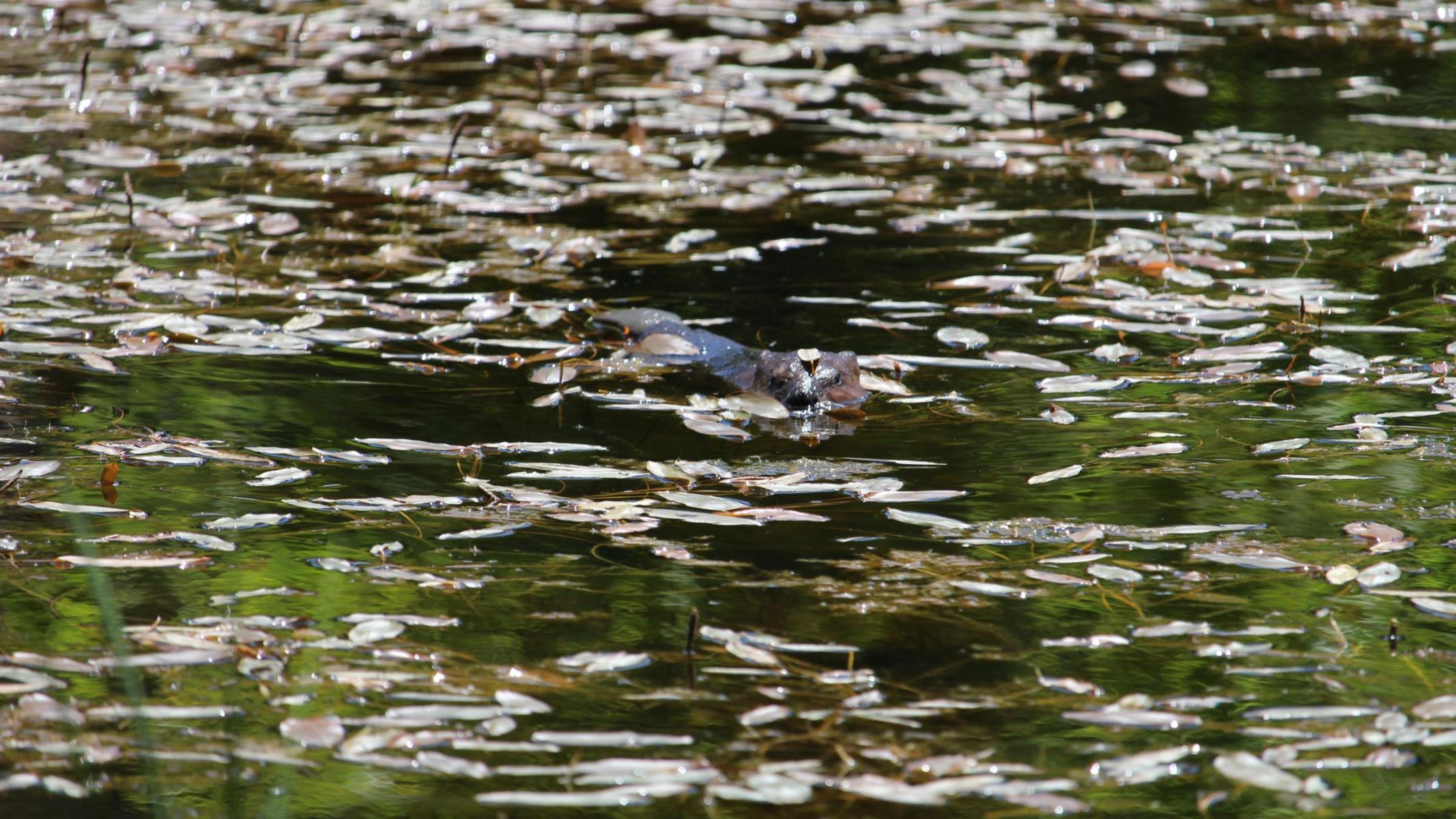
Thousands of people across the country, and the world, tuned into the Cowlitz Indian Tribe’s first beaver livestream to watch four baby beavers grow along with their mother at the Tribe’s beaver husbandry facility in Ridgefield, Washington. The Tribe’s Beaver “Kit Cam” livestream gave the public a rare front-row seat to the early weeks of a young beaver family’s life and a glimpse into a restoration program that’s been shaping Southwest Washington’s ecosystem for years.
“The response to the Kit Cam has been incredibly meaningful,” said the Cowlitz Indian Tribe’s Chairman Bill Iyall. “We are grateful for the opportunity the Kit Cam created to bring a little joy into homes across the country, while shining a light on the restoration work our Natural Resources Department is leading to steward our ancestral homelands.”
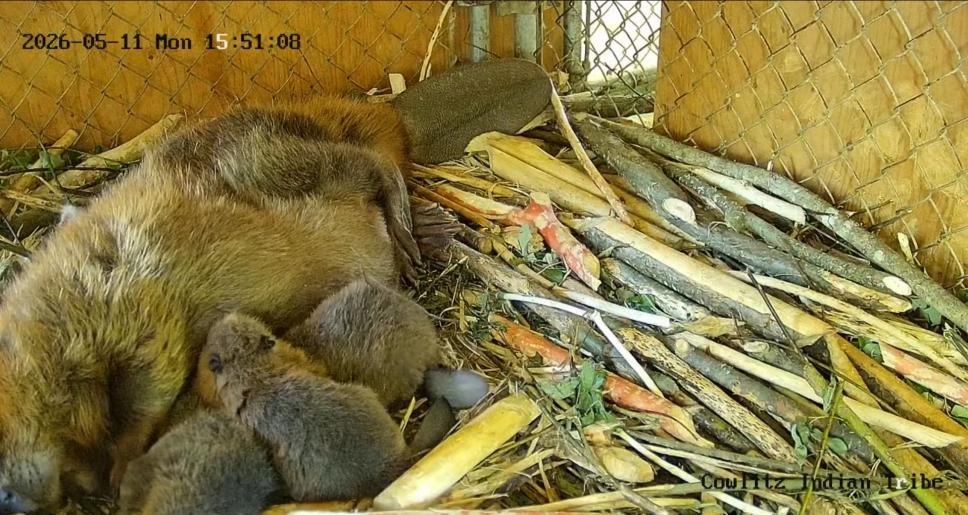
The Tribe’s beaver relocation program is the largest of its kind in Washington State and one of the largest in the Western United States. Each year, the program relocates approximately 70 beavers, representing 20 to 30 family groups, from areas of human-wildlife conflict to habitats where they can thrive and do what beavers do best: engineer the landscape.
Intensive commercial fur trapping and land-use changes in the nineteenth century caused widespread declines in beaver populations throughout the Pacific Northwest, leading to local extirpations in many watersheds. Their absence has had lasting consequences. As a foundation species, beavers build dams that restore wetlands, improve water quality, increase drought resilience, and create complex habitat for fish and wildlife. The Cowlitz Wildlife Program is working to change that trajectory, particularly in the Cascade Mountains of Southwest Washington.
“Beavers are amazing ecosystem engineers and create high-quality complex wetland habitats that support biodiversity and ecosystem properties that can help buffer the projected impacts of climate change,” said Jesse Burgher, Ph.D., Wildlife Program Manager for Cowlitz Indian Tribe.
Beavers that come into the program are brought by wildlife professionals to the Tribe’s beaver husbandry facility on the Cowlitz reservation. Rather than relocating individuals in isolation, the program waits to reunite family members before release. This is an approach that improves chances of long-term success. As a permitted relocator under the Washington Department of Fish and Wildlife’s Beaver Relocation Permit Program, families are typically held for 7 to 10 days before being moved to pre-identified suitable habitats.
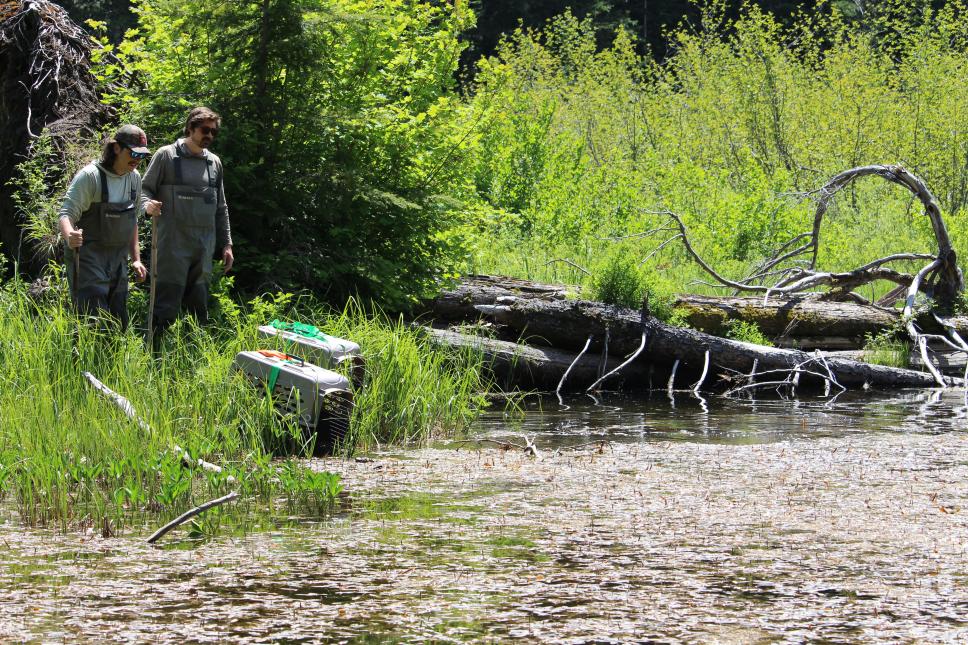
After release, the Tribe’s Natural Resources Department conducts post-release monitoring to track outcomes. Relocation sites across the Gifford Pinchot National Forest are visited twice a year, with biologists collecting data on beaver occupancy, home range characteristics, and dam development.
When the four kits featured on the livestream were born this April, the Tribe saw an opportunity to share their work with a wider audience. The “Kit Cam” offered viewers a window into the early weeks of the beaver family’s life while drawing attention to the conversation mission behind the camera. The response exceeded expectations, and sparked conversations about beaver ecology, Tribal stewardship, and the important work of wildlife restoration.
“As Cowlitz people, we have always understood our responsibility to care for the land and the resources it provides,” said Chairman Iyall. “This program is one way we are putting that responsibility into action—restoring balance to our ancestral homelands and waterways, and planning for the generations that come after us.”
On May 28, 2026, the Kit Cam family was released into a carefully selected wild habitat in Southwest Washington.
“We’ve carefully selected this relocation site to provide plenty of food and cover for these beavers as they reintegrate into the wild and continue to grow,” said Burgher. “After the release, this site will be integrated into our annual monitoring plan, and we’ve added some additional monitoring components for this family, including wildlife cameras at prominent habitat features at the site so we can better track the success of these individuals.”
The Beaver Kit Cam family’s story doesn’t end with their release. The Tribe’s Wildlife Program will continue monitoring their new habitat, adding to a growing dataset that informs future relocation efforts and understanding of beaver populations in Washington’s Cascade Mountains.
For the Cowlitz Indian Tribe’s Wildlife Program, this is just the beginning. Following the success of the Kit Cam, the Tribe is exploring additional opportunities to share its conservation work and help the public connect with the restoration efforts taking place across Tribal lands.
To stay updated on the Wildlife Program, follow the Cowlitz Indian Tribe on YouTube, Facebook, and Instagram.